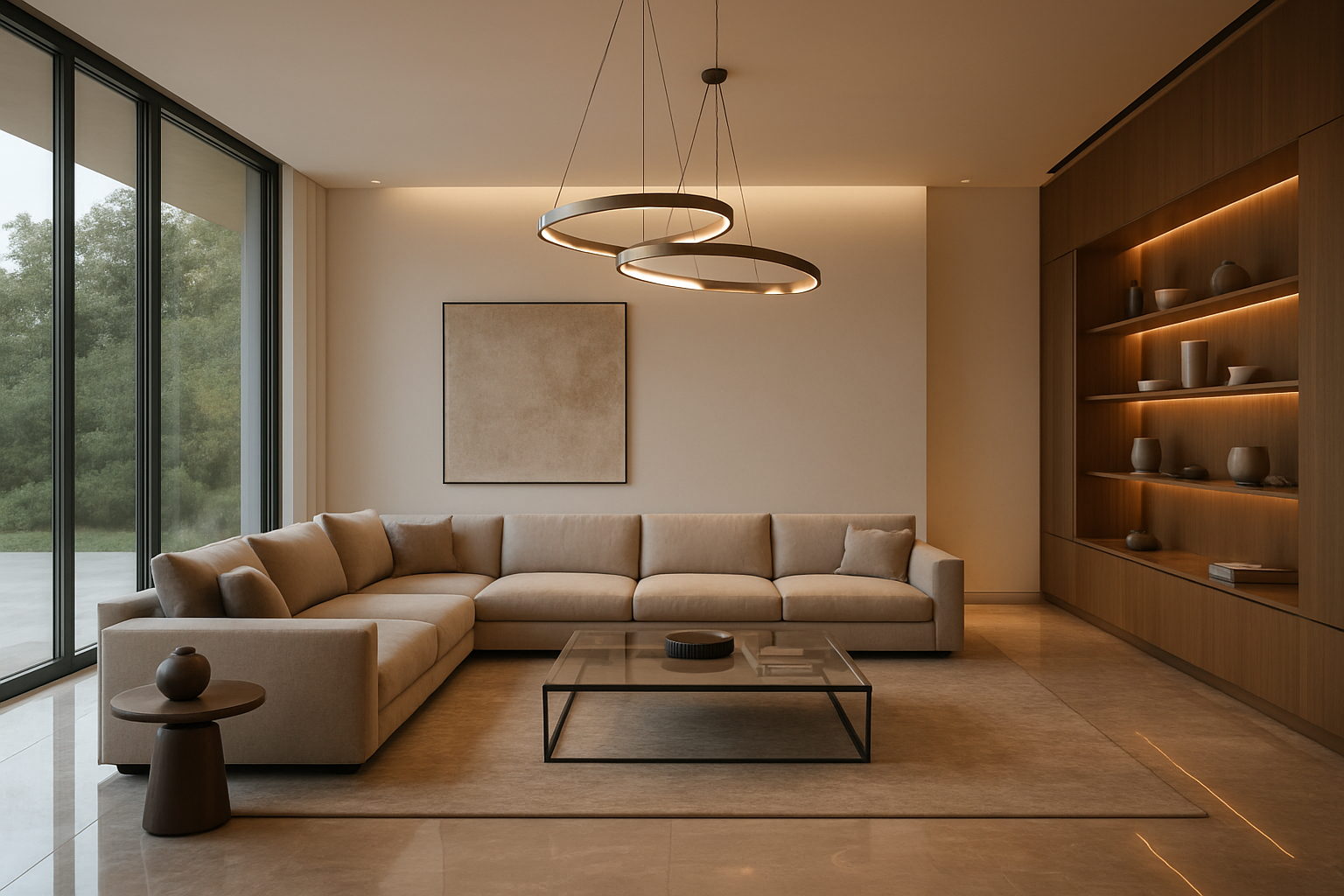
Luxury modern home interior design is all about creating refined living spaces that balance style, comfort, and functionality. By combining clean lines, premium materials, and thoughtful layouts, modern interiors transform homes into elegant, contemporary environments tailored to today’s lifestyle.
luxury modern home interior design
Luxury modern home interior design transforms living spaces into sophisticated retreats that blend cutting-edge style with comfort. This guide is perfect for homeowners planning a renovation, design enthusiasts seeking inspiration, and anyone ready to elevate their space with contemporary elegance.
We’ll explore the essential elements that create truly luxurious modern interiors, from carefully curated color palettes to strategic furniture selection. You’ll also discover how smart technology integration can enhance your daily living while maintaining that sleek, refined aesthetic that defines modern luxury design.
Essential Elements That Define Luxury Modern Interior Spaces
Clean Lines and Minimalist Aesthetics That Create Visual Impact
The power of clean lines in luxury modern home interior design lies in their ability to create serenity while making a bold statement. When you walk into a thoughtfully designed space, the first thing that strikes you is the absence of visual chaos. Every element has been carefully considered, every surface intentionally placed, and every angle purposefully crafted to create harmony.
Clean lines don’t mean sterile or cold. They represent intentional design choices that eliminate the unnecessary while emphasizing the beautiful. Picture a living room where a sleek, low-profile sectional sofa sits parallel to floor-to-ceiling windows, creating an uninterrupted flow between interior and exterior spaces. The coffee table, a single slab of polished concrete or reclaimed wood, extends the horizontal emphasis while providing functional surface area without competing for attention.
The magic happens in the details. Cabinet faces without visible hardware create seamless walls of storage. Built-in shelving that appears to float against the wall removes the visual weight of traditional furniture pieces. Doorways become portals rather than barriers when trimmed with minimal, flat casings or eliminated entirely in favor of wide openings that maintain the flow between spaces.
Minimalist aesthetics go beyond simply having fewer things. The approach requires curating every element to ensure each piece serves multiple purposes – functional, aesthetic, and emotional. A single piece of large-scale artwork becomes the focal point of an entire wall, eliminating the need for multiple smaller pieces that could create visual fragmentation. A sculptural floor lamp serves as both illumination and art installation.
Color plays a crucial role in achieving clean line aesthetics. Neutral palettes – whites, grays, beiges, and blacks – allow architectural elements to take center stage. When color appears, it does so with intention. A single accent wall in deep charcoal creates depth without overwhelming the space. A collection of throw pillows in varying textures but similar tones adds visual interest while maintaining cohesion.
Texture becomes even more important in minimalist spaces. Without the distraction of busy patterns or multiple colors, the eye focuses on how light plays across different surfaces. A polished marble countertop reflects light differently than brushed steel appliances. Woven linen curtains create soft shadows that change throughout the day. These subtle variations prevent minimalist spaces from feeling flat or lifeless.
The relationship between positive and negative space defines successful clean line design. Negative space – the areas left empty – becomes as important as the furniture and fixtures that fill the room. A dining area might feature a substantial table surrounded by chairs, but the space around the table remains open, allowing the eye to appreciate the table’s form and the room’s proportions.
Storage solutions in clean line design become invisible. Custom cabinetry blends into walls. Kitchen islands incorporate hidden compartments. Bedroom furniture includes integrated storage that maintains smooth, unbroken surfaces. The goal is functionality without visual complexity.
Windows in clean line designs often feature minimal treatments or none at all. When privacy or light control is needed, options like motorized blinds that disappear into ceiling pockets or floor-to-ceiling panels that slide completely out of view maintain the uninterrupted lines that define the aesthetic.
Hardware selection becomes critical when pursuing clean lines. Cabinet pulls might be long, horizontal strips that emphasize the linear quality of the cabinetry. Door handles could be sleek bars that complement the room’s angular elements. Even bathroom fixtures follow the same philosophy – rectangular sinks, linear faucets, and geometric mirrors that reinforce the overall design language.
The beauty of clean lines lies in their timeless quality. While trends come and go, the fundamental principles of proportion, balance, and intentional design remain constant. A room designed with clean line principles today will feel fresh and relevant decades from now because it relies on enduring design fundamentals rather than temporary fashion.
Premium Materials That Elevate Every Surface
Material selection separates good design from exceptional luxury. Premium materials don’t just look beautiful; they engage all the senses and improve with age, developing character and patina that mass-produced alternatives cannot match. The weight of a solid marble countertop, the warmth of hand-scraped hardwood floors, the cool smoothness of polished concrete – these tactile experiences create emotional connections to space that synthetic materials simply cannot replicate.
Natural stone stands as the cornerstone of luxury modern interior design. Carrara marble, with its distinctive veining and luminous quality, transforms kitchen islands into sculptural centerpieces. Calacatta marble, rarer and more dramatically veined, creates breathtaking bathroom vanities that serve as the room’s focal point. Travertine flooring provides warmth and texture while maintaining the clean aesthetic that modern design demands.
Different stone varieties offer unique personalities. Soapstone develops a rich patina with use, becoming more beautiful over time. Granite provides durability alongside visual drama, especially in book-matched slabs where patterns mirror each other across seams. Onyx, when backlit, becomes translucent art, creating ethereal glowing surfaces that transform ordinary walls into extraordinary features.
Wood selection requires understanding how different species contribute to the overall design narrative. Wide-plank European oak flooring creates a sense of grandeur and permanence. Walnut cabinetry provides rich, chocolate tones that anchor neutral color schemes. Reclaimed teak adds history and character, bringing stories of previous lives into contemporary settings.
The grain patterns in premium woods tell their own stories. Quarter-sawn oak displays distinctive ray patterns that create visual texture. Book-matched walnut veneer creates mirror images that emphasize symmetry and craftsmanship. Live-edge wood slabs maintain the natural contours of the tree, bringing organic elements into geometric spaces.
Finish techniques can dramatically alter wood’s appearance and performance. Matte finishes reduce glare while highlighting natural grain patterns. Glossy finishes create mirror-like surfaces that reflect light throughout the room. Oil finishes penetrate the wood, enhancing natural colors while providing protection. Each choice impacts both aesthetics and maintenance requirements.
Metal finishes have evolved far beyond basic chrome and brass. Blackened steel creates industrial elegance that complements modern aesthetics. Brushed bronze provides warmth without the formality of polished finishes. Unlacquered brass develops patina over time, creating unique character that reflects the home’s history.
Mixing metal finishes requires careful consideration but can create sophisticated layers of visual interest. A kitchen might combine stainless steel appliances with brass cabinet hardware and black iron light fixtures. The key lies in maintaining consistent undertones – warm metals with warm metals, cool with cool – while varying the finishes themselves.
Concrete has emerged as a premium material in modern luxury design. Polished concrete floors provide seamless, durable surfaces with subtle variations in color and texture. Cast concrete countertops can be customized with integral sinks and drainage boards. Concrete walls, when properly finished, provide smooth, monolithic surfaces that serve as backdrops for furniture and art.
The versatility of concrete allows for numerous customization options. Aggregates like crushed glass or metal shavings can be incorporated for visual interest. Acid staining creates variegated colors that mimic natural stone. Integral color provides consistent hues throughout the material. Each technique offers different aesthetic possibilities while maintaining concrete’s inherent durability.
Glass applications in luxury modern design extend far beyond windows. Structural glass walls eliminate visual barriers while maintaining physical separation. Glass stair treads create floating staircases that appear to defy gravity. Glass countertops provide seamless surfaces with unique optical properties. Textured glass provides privacy while transmitting light.
Different glass types offer varying levels of transparency and visual effects. Clear glass maximizes light transmission and maintains unobstructed views. Frosted glass provides privacy while maintaining light flow. Colored glass can introduce subtle hues without overwhelming neutral palettes. Each choice impacts both function and aesthetic outcome.
Fabric and textile selections require balancing beauty with performance. Natural fibers like linen and cotton provide comfort and breathability but may require more maintenance. Performance fabrics offer stain resistance and durability while mimicking natural textures. Leather develops character with age while providing long-lasting beauty and comfort.
The weight and weave of fabrics affect both appearance and durability. Heavy linens drape beautifully for curtains while providing substantial texture. Lightweight cottons work well for pillows and throws while remaining easy to maintain. Understanding these characteristics helps match materials to their intended applications.
Ceramic and porcelain tiles have achieved new levels of sophistication. Large-format tiles minimize grout lines for seamless appearances. Wood-look porcelain provides the beauty of hardwood with superior water resistance. Stone-look ceramics offer consistent patterns while eliminating natural stone’s maintenance requirements.
Edge treatments for tiles can dramatically impact the final appearance. Rectified edges allow for minimal grout lines. Beveled edges create subtle shadow lines that emphasize individual tiles. Bullnose edges provide finished appearances at transitions. Each treatment contributes to the overall aesthetic while serving functional purposes.
Open Floor Plans That Maximize Space and Light
Open floor plans revolutionize how we experience and interact with our living spaces. By removing traditional barriers between rooms, these layouts create expansive areas that feel larger than their actual square footage while promoting natural light flow throughout the home. The key to successful open floor plans lies in creating distinct zones while maintaining visual and physical connectivity.
The removal of walls between kitchen, dining, and living areas creates what designers call the “great room” concept. This single, flowing space allows families to remain connected during daily activities while providing flexibility for entertaining. Parents can prepare meals while supervising homework at the dining table and staying engaged with conversations in the living area. The multi-functional space adapts to changing needs throughout the day.
Sight lines become crucial in open floor plan design. Standing in the kitchen, occupants should enjoy unobstructed views to outdoor spaces, creating a connection with nature that enhances the sense of spaciousness. Placing major furniture pieces to frame rather than block these views maintains the open feeling while creating subtle boundaries between functional areas.
Natural light multiplication occurs in open floor plans as light from multiple windows can travel throughout the entire space. South-facing windows in the living area provide light that reaches the kitchen island. East-facing dining room windows illuminate breakfast preparations. This light sharing reduces the need for artificial illumination during daylight hours while creating bright, welcoming environments.
Creating zones within open spaces requires thoughtful furniture placement and design elements that suggest boundaries without creating barriers. A large area rug defines the seating area while allowing traffic flow around its perimeter. A kitchen island serves as both workspace and natural barrier between cooking and living areas. Different ceiling heights or exposed beams can delineate areas while maintaining openness.
Color and material consistency becomes even more important in open floor plans since multiple functions share visual space. Flooring that flows seamlessly from one area to another unifies the space while different materials can subtly define zones. Hardwood might transition to tile at the kitchen island, suggesting the boundary between spaces while maintaining visual flow.
Furniture scale requires careful consideration in open layouts. Pieces that feel appropriately sized in traditional room settings might appear lost in expanded spaces. A sectional sofa that seemed oversized in a closed living room provides the right presence in an open great room. Dining tables might need to be larger to maintain proportion with the overall space.
Kitchen islands become central organizing elements in open floor plans. Beyond their functional role for food preparation and storage, islands serve as casual dining areas, homework stations, and social hubs during entertaining. The island’s placement often defines traffic patterns throughout the entire space, making its positioning critical to the layout’s success.
The challenge of noise management in open floor plans requires strategic planning. Hard surfaces that look beautiful can create echo problems when sounds bounce throughout large spaces. Strategic placement of soft furnishings helps absorb sound. Area rugs reduce footstep noise. Upholstered furniture provides sound absorption while maintaining the clean aesthetic of modern design.
HVAC considerations become more complex in open floor plans. Heating and cooling large, connected spaces requires different approaches than traditional compartmentalized layouts. Ceiling fans help circulate air throughout the space. Zoned temperature control allows different areas to maintain comfortable conditions based on use and sun exposure. Proper insulation and window treatments help manage solar heat gain.
Privacy needs must be addressed in open layouts. While openness promotes family interaction, there are times when separation is desired. Pocket doors can close off areas when needed while disappearing completely when open. Room dividers that slide or fold provide flexible privacy options. Furniture arrangements can create more intimate settings within the larger space.
Storage solutions become more challenging and more important in open floor plans. Without walls to hide clutter, organization systems must be both functional and beautiful. Built-in cabinetry provides concealed storage while maintaining clean lines. Multi-functional furniture pieces offer storage opportunities without compromising aesthetics. Kitchen pantries might need to be larger to compensate for reduced wall cabinet space.
Entertainment considerations change dramatically in open floor plans. Television placement requires careful thought since the screen will be visible from multiple areas. Mounting heights and viewing angles must accommodate seating in different zones. Audio systems need to provide appropriate sound levels for various activities happening simultaneously in the space.
Lighting design becomes more complex but also more impactful in open floor plans. Different areas require different lighting types and intensities. Task lighting over kitchen islands, ambient lighting in seating areas, and accent lighting for artwork must work together harmoniously. Dimmer controls allow adjustment for various activities and times of day. The lighting plan must consider how fixtures appear from multiple vantage points throughout the space.
Outdoor connections become even more important in open floor plans. Large sliding doors or folding glass walls can extend the interior space to outdoor patios or decks. This indoor-outdoor flow further enhances the sense of spaciousness while providing natural ventilation. Outdoor furniture that complements interior pieces creates seamless transitions between environments.
Architectural details like exposed beams, columns, or varying ceiling heights add visual interest to large open spaces while maintaining the open feeling. These elements can also help define different areas within the overall space. A coffered ceiling over the dining area or exposed beams in the living space create visual boundaries without physical barriers.
Statement Lighting That Transforms Ambiance
Lighting serves as the invisible architect of atmosphere, capable of transforming spaces from ordinary to extraordinary with the flip of a switch. In luxury modern home interior design, statement lighting pieces function as both illumination sources and sculptural art, creating focal points that define rooms while providing the layered lighting essential for sophisticated interiors.
Chandeliers have evolved far beyond traditional crystal designs to embrace contemporary forms that complement modern aesthetics. Linear chandeliers suspended over kitchen islands create dramatic horizontal emphasis while providing task lighting for food preparation. Geometric designs featuring clean lines and minimal embellishment align with modern design principles while making bold statements. Materials like brushed brass, blackened steel, and polished chrome offer different moods and complement various color schemes.
The scale of statement lighting requires careful consideration. A chandelier that appears appropriately sized in a showroom might overwhelm or disappear in actual room settings. The general rule suggests chandelier width should equal room length plus width in feet converted to inches. However, modern spaces often call for breaking these rules in favor of creating dramatic impact or maintaining proportional relationships with furniture groupings.
Pendant lighting offers versatility and visual impact in multiple applications. Clustered pendants at varying heights create dynamic compositions above kitchen islands or dining tables. Single oversized pendants can anchor seating areas or provide task lighting for reading corners. The key lies in selecting pieces that complement the room’s scale while providing appropriate illumination levels.
Suspension heights for pendant lighting affect both function and aesthetics. Pendants over kitchen islands typically hang 30-36 inches above the surface, providing adequate task lighting without obstructing sight lines. Dining room pendants might hang lower, creating intimate lighting for meals while making bold design statements. Adjustable suspension systems allow for customization based on specific needs and preferences.
Floor lamps have transformed from purely functional pieces to sculptural elements that define spaces. Arc floor lamps can extend lighting over seating areas without requiring ceiling mounting. Tree-style lamps with adjustable arms provide directed lighting for multiple tasks. Torchiere designs that bounce light off ceilings create ambient illumination while serving as vertical design elements.
The positioning of floor lamps affects both lighting quality and traffic flow. Lamps placed behind seating create flattering illumination for reading while defining the back boundary of conversation areas. Corner locations can brighten dark areas while the lamps themselves become decorative focal points. Multiple floor lamps can create layered lighting schemes that eliminate harsh shadows while providing visual anchors throughout large spaces.
Table lamps contribute to intimate lighting layers while adding decorative elements to surfaces. Matching pairs flanking sofas or beds create symmetrical compositions while providing balanced illumination. Varying heights and styles can create more dynamic arrangements that reflect personal preferences while maintaining overall design cohesion.
Lampshade selection dramatically impacts both light quality and aesthetic impact. Drum shades provide even light distribution while maintaining clean, geometric lines. Empire shades create more focused downward light while adding traditional elements to modern settings. Rectangular shades complement angular furniture while round shades can soften geometric environments.
Recessed lighting provides ambient illumination without competing with decorative fixtures for visual attention. Properly spaced recessed lights eliminate shadows while creating even light distribution throughout spaces. Adjustable trim options allow for accent lighting on artwork or architectural features. LED technology has made recessed lighting more energy-efficient while providing better color rendering and dimming capabilities.
Track lighting systems offer flexibility for highlighting artwork, architectural features, or changing displays. Modern track systems feature sleek profiles that integrate seamlessly into ceiling designs. Adjustable heads allow for precise light direction while the track itself becomes a design element. Different finishes can complement or contrast with other metal elements in the room.
Under-cabinet lighting transforms kitchens by eliminating shadows on work surfaces while creating ambient lighting for evening hours. LED strip lights provide even illumination without heat buildup. Puck lights create more focused pools of light while adding visual interest to cabinet undersides. Proper installation with concealed wiring maintains clean aesthetics while providing functional benefits.
Cove lighting creates dramatic ambient effects by washing walls or ceilings with indirect light. LED strips hidden in architectural details can highlight textured walls, create floating ceiling effects, or emphasize room proportions. Color-changing capabilities allow for mood adjustment while maintaining energy efficiency.
Smart lighting systems integrate multiple fixtures into cohesive control schemes. Programmable scenes can adjust multiple lights to predetermined levels for different activities or times of day. Smartphone apps allow for remote control and scheduling while voice activation provides convenient hands-free operation. These systems can learn usage patterns and adjust automatically for optimal convenience and energy efficiency.
Dimming capabilities become essential for creating appropriate ambiance throughout the day. Bright task lighting needed for food preparation can be reduced for intimate dining. Reading lights can be dimmed for relaxed conversation. The ability to fine-tune light levels allows single fixtures to serve multiple functions while maintaining optimal comfort.
Natural light integration requires coordination between artificial lighting and window treatments. Automated systems can adjust artificial light levels based on available natural light, maintaining consistent illumination while maximizing energy efficiency. Daylight sensors can gradually increase artificial lighting as natural light decreases, preventing abrupt transitions that can be jarring.
Color temperature considerations affect the mood and functionality of different spaces. Cooler temperatures around 4000K work well for task lighting in kitchens and offices. Warmer temperatures around 2700K create cozy atmospheres for living and dining areas. Tunable white LED systems allow adjustment throughout the day, mimicking natural light patterns that support circadian rhythms.
Artwork lighting requires specialized fixtures and techniques to properly display pieces without causing damage. Picture lights mounted directly on frames work for traditional artwork but might not complement modern aesthetics. Track lighting with narrow beam angles can highlight pieces from greater distances. UV-free LED technology prevents artwork degradation while providing excellent color rendering.
Emergency lighting considerations ensure safety while maintaining design integrity. Battery backup systems can keep essential lights operating during power outages. Exit path lighting provides safe navigation while minimal emergency fixtures avoid compromising room aesthetics. Integration with security systems can provide automated lighting responses to various situations.
Maintenance and longevity factors influence fixture selection and placement. LED technology provides decades of reliable operation with minimal maintenance requirements. Quality fixtures with replaceable components offer long-term value compared to disposable designs. Proper electrical installation by qualified professionals ensures safe operation and optimal performance throughout the fixture’s lifespan.
Color Palettes That Embody Sophisticated Modern Luxury
Neutral Foundations That Create Timeless Appeal
Creating a sophisticated modern luxury interior begins with establishing the perfect neutral foundation. These carefully selected base colors serve as the canvas upon which all other design elements can flourish, providing the stability and elegance that defines high-end contemporary spaces.
The power of neutral palettes lies in their ability to create an atmosphere of refined sophistication while maintaining incredible versatility. When designing luxury modern home interior spaces, neutrals don’t simply fade into the background – they command attention through their subtle complexity and carefully considered undertones.
The Art of Selecting Premium Neutrals
Warm whites have become the cornerstone of luxury modern design, but not all whites are created equal. The most sophisticated spaces feature whites with subtle undertones that shift throughout the day as natural light changes. Benjamin Moore’s Cloud White and Sherwin Williams’ Pure White offer the perfect balance of warmth and brightness, creating spaces that feel both inviting and pristine.
Cream tones add another layer of sophistication to modern luxury interiors. These colors provide warmth without overwhelming the space, creating an environment that feels both contemporary and timeless. The key is selecting creams with gray or beige undertones rather than yellow, which can appear dated or overly traditional.
Gray has evolved far beyond basic charcoal or silver options. Today’s luxury interiors feature complex grays with blue, green, or purple undertones that create depth and visual interest. Mushroom grays, dove grays, and silver-toned varieties work beautifully as foundation colors, providing the perfect backdrop for both modern furniture and statement art pieces.
Beige has made a remarkable comeback in luxury modern design, but contemporary beiges are far more sophisticated than their predecessors. Greige – the perfect marriage of gray and beige – offers the warmth of beige with the contemporary edge of gray. This color family creates spaces that feel both current and enduring.
Creating Depth Through Tonal Variations
The most successful luxury modern interiors use multiple shades of the same neutral family to create visual depth and interest. This technique, known as tonal layering, prevents neutral spaces from appearing flat or monotonous.
Starting with a light base color on walls, designers can introduce slightly deeper tones through furniture upholstery, window treatments, and area rugs. The darkest neutral tones typically appear in accent pieces, architectural details, or statement furniture pieces.
This approach creates a sense of movement throughout the space while maintaining the serene, sophisticated atmosphere that defines luxury modern design. The eye travels naturally from light to dark elements, creating visual rhythm without relying on bold colors or patterns.
Texture as the Secret Weapon in Neutral Palettes
When working with neutral foundations, texture becomes absolutely critical for creating visual interest and preventing the space from feeling sterile. Luxury modern interiors layer multiple textures within the same color family to create richness and depth.
Natural materials like travertine, limestone, and marble introduce organic textures that feel both luxurious and timeless. These materials work beautifully as accent walls, fireplace surrounds, or flooring elements, adding sophisticated texture while maintaining the neutral color palette.
Fabric textures play an equally important role in luxury modern spaces. Mixing smooth silks with nubby linens, soft cashmeres with structured wools, and glossy leathers with matte cottons creates a tactile experience that elevates the entire design.
Wood tones within neutral palettes require careful consideration. Light oak, bleached walnut, and whitewashed pine complement cool neutrals beautifully, while warm neutrals pair well with honey oak, natural maple, or light cherry finishes.
The Psychology of Neutral Luxury
Neutral foundations create an emotional response that’s essential to luxury modern design. These colors promote feelings of calm, sophistication, and timeless elegance – exactly what discerning homeowners seek in their private retreats.
Research in color psychology shows that neutral environments reduce stress and promote mental clarity. This makes neutral foundations particularly appealing in bedrooms, home offices, and meditation spaces where peace and tranquility are paramount.
The versatility of neutral foundations also provides long-term value. While bold color trends come and go, sophisticated neutral palettes remain relevant and appealing year after year. This timeless quality is essential for luxury investments, ensuring that the design maintains its value and appeal over time.
Balancing Warm and Cool Neutrals
Successful luxury modern interiors often combine both warm and cool neutrals to create balance and prevent the space from feeling too monotonous. This technique requires careful consideration of undertones and how different neutrals interact with each other.
Cool neutrals like pale gray, soft blue-gray, and crisp white work beautifully together, creating spaces that feel fresh and contemporary. These colors are particularly effective in spaces with abundant natural light or in warmer climates where a cooling effect is desirable.
Warm neutrals such as cream, mushroom, and soft taupe create cozy, inviting atmospheres that feel luxurious and comfortable. These colors work well in cooler climates or in rooms that receive limited natural light.
The most sophisticated approaches combine both warm and cool neutrals within the same space, using architectural elements, furniture placement, or lighting to create natural transitions between the two temperature families.
Bold Accent Colors That Add Personality and Depth
While neutral foundations provide the sophisticated backbone of luxury modern interiors, carefully chosen bold accent colors transform spaces from merely beautiful to truly memorable. These strategic color choices inject personality, create focal points, and demonstrate the homeowner’s refined taste and confidence.
The art of incorporating bold accents into luxury modern home interior design requires restraint, precision, and an understanding of how colors interact with both neutrals and each other. When done correctly, these vibrant touches elevate the entire design while maintaining the sophisticated atmosphere that defines modern luxury.
The Power of Strategic Color Placement
Bold accent colors work best when they’re used sparingly and strategically throughout luxury modern spaces. Rather than overwhelming the room, these colors should create moments of visual excitement that draw the eye and create natural focal points.
Deep jewel tones have become increasingly popular in luxury modern design. Emerald green, sapphire blue, and rich amethyst purple create stunning contrasts against neutral backgrounds while maintaining an air of sophistication. These colors work particularly well in velvet upholstery, silk draperies, or statement art pieces.
Rich burgundy and wine colors add warmth and depth to modern luxury spaces. These colors feel both contemporary and timeless, working beautifully in dining rooms, libraries, or master bedrooms where a sense of intimacy and luxury is desired.
Navy blue has emerged as a sophisticated alternative to black in luxury modern interiors. This deep, rich color provides dramatic contrast without the harsh edge of pure black. Navy works beautifully as an accent wall color, in custom cabinetry, or in large upholstered pieces like sofas or sectionals.
Creating Color Stories That Flow
The most successful luxury modern interiors tell a cohesive color story that flows naturally from room to room. This doesn’t mean using identical colors throughout the home, but rather creating a harmonious progression that feels intentional and sophisticated.
One effective approach involves selecting a primary bold accent color and using it consistently throughout the main living spaces, varying the intensity or application method in each room. For example, emerald green might appear as a velvet sofa in the living room, silk curtains in the dining room, and accent pillows in the master bedroom.
Secondary accent colors can be introduced to create depth and prevent the design from feeling too predictable. These colors should complement both the primary accent color and the neutral foundation, creating a sophisticated three-color palette that feels both cohesive and dynamic.
Seasonal color adjustments allow homeowners to refresh their luxury modern spaces without major renovations. Swapping out throw pillows, artwork, or floral arrangements provides opportunities to experiment with trending colors while maintaining the sophisticated foundation.
The Impact of Color Temperature on Luxury Spaces
Understanding color temperature – the warmth or coolness of colors – is crucial for creating successful luxury modern interiors. Cool accent colors like blue, green, and purple create feelings of calm and sophistication, while warm colors like red, orange, and yellow generate energy and warmth.
Cool accent colors work particularly well in luxury modern bedrooms and bathrooms, where serenity and relaxation are priorities. Deep teal, forest green, and midnight blue create spa-like atmospheres that feel both luxurious and restorative.
Warm accent colors excel in social spaces like living rooms, dining rooms, and kitchens where energy and conversation are encouraged. Burnt orange, deep coral, and golden yellow create inviting atmospheres while maintaining sophisticated appeal.
The most successful luxury modern interiors balance warm and cool accent colors throughout the space, preventing any single area from feeling too sterile or too energetic. This balance creates homes that feel both dynamic and harmonious.
Incorporating Color Through Art and Accessories
Art collections provide excellent opportunities for introducing bold accent colors into luxury modern spaces. Large-scale paintings or photography can introduce multiple accent colors while serving as stunning focal points. The key is selecting pieces that complement the overall color palette while adding visual interest and personality.
Sculptural elements offer another sophisticated way to incorporate bold colors. Colored glass vessels, ceramic sculptures, or metal art pieces can introduce accent colors while adding textural interest and artistic sophistication.
Luxury textiles provide flexible options for bold color integration. Custom-designed rugs, throw pillows, and window treatments can incorporate multiple accent colors while maintaining the ability to update or refresh the palette over time.
Fresh flowers and plants offer the most natural way to introduce bold colors into luxury modern spaces. Carefully selected arrangements can echo existing accent colors or introduce new seasonal hues that complement the overall design palette.
The Role of Lighting in Bold Color Success
Proper lighting is essential for bold accent colors to achieve their full impact in luxury modern interiors. Natural light reveals the truest colors, but artificial lighting must be carefully planned to maintain color accuracy throughout different times of day and evening hours.
LED lighting systems with adjustable color temperatures allow homeowners to optimize how bold accent colors appear under different lighting conditions. Warmer lighting enhances reds, oranges, and yellows, while cooler lighting brings out blues, greens, and purples.
Accent lighting specifically designed to highlight bold color elements can create dramatic effects that enhance the luxury atmosphere. Picture lights for artwork, under-cabinet lighting for colored backsplashes, or strategic spotlighting for colorful furniture pieces can transform ordinary accent colors into show-stopping design elements.
Color Proportion and the 60-30-10 Rule
Professional designers often follow the 60-30-10 rule when incorporating bold accent colors into luxury modern spaces. This guideline suggests using neutral foundation colors for 60% of the space, secondary colors (often deeper neutrals or muted tones) for 30%, and bold accent colors for the remaining 10%.
This proportion ensures that bold accent colors create impact without overwhelming the sophisticated atmosphere essential to luxury modern design. The 10% allocation for bold colors should be distributed strategically throughout the space rather than concentrated in a single area.
Flexibility within this framework allows for creative interpretation. Some luxury modern spaces might use slightly more bold color in informal areas like family rooms or home offices, while maintaining stricter adherence to the rule in formal spaces like dining rooms or master bedrooms.
Metallic Finishes That Bring Glamour and Refinement
Metallic finishes serve as the jewelry of luxury modern home interior design, adding sparkle, sophistication, and visual interest that elevates every element they touch. These lustrous materials catch and reflect light in ways that create movement and energy within otherwise calm, neutral spaces, providing the perfect balance between contemporary style and timeless glamour.
The strategic use of metallics in luxury modern interiors requires an understanding of how different metals interact with each other, with existing color palettes, and with various lighting conditions. When properly incorporated, metallic finishes create layers of sophistication that define truly exceptional spaces.
The Hierarchy of Luxury Metals
Gold remains the ultimate symbol of luxury in modern interior design, but contemporary applications have evolved far beyond traditional yellow gold. Rose gold brings warmth and femininity to modern spaces, while champagne gold offers a softer, more sophisticated alternative to bright yellow gold. White gold provides the luxury of gold with the cool elegance of silver-toned metals.
Brass has experienced a remarkable renaissance in luxury modern design. This warm metal adds richness and depth to contemporary spaces while maintaining a sophisticated edge. The key to successful brass integration lies in selecting pieces with appropriate patinas – from bright, polished finishes for dramatic impact to aged or brushed finishes for subtle sophistication.
Silver-toned metals including stainless steel, chrome, and pewter provide cool elegance that complements modern aesthetics beautifully. These metals work particularly well in kitchens and bathrooms where their practical benefits align with their aesthetic appeal.
Copper introduces organic warmth to luxury modern spaces. This living metal develops a natural patina over time, creating unique character and visual interest. Copper works beautifully in accent pieces, lighting fixtures, and architectural details where its warm glow can enhance the overall design.
Creating Metallic Harmony Without Monotony
The most sophisticated luxury modern interiors successfully combine multiple metallic finishes without creating visual chaos. This requires understanding which metals complement each other and how to distribute different finishes throughout the space for maximum impact.
Warm metals naturally pair together – gold, brass, copper, and bronze create cohesive groupings that feel intentional and sophisticated. These metals work beautifully together in living spaces, dining rooms, and bedrooms where warmth and intimacy are desired.
Cool metals including silver, chrome, stainless steel, and pewter create crisp, contemporary combinations that feel fresh and modern. These metals excel in kitchens, bathrooms, and offices where clean lines and functionality are priorities.
Mixing warm and cool metals requires more careful consideration but can create stunning results when done thoughtfully. The key lies in selecting one primary metal family and using the secondary family sparingly for contrast and visual interest.
The Science of Light Reflection and Metallics
Understanding how different metallic finishes interact with light is crucial for successful luxury modern interior design. Highly polished metals create dramatic reflections and bright highlights, while brushed or matte finishes provide subtle shimmer without overwhelming brightness.
Mirror finishes on metals create the most dramatic light reflection, making spaces appear larger and more luminous. These finishes work well in smaller spaces or areas with limited natural light, but require careful placement to avoid creating unwanted glare.
Satin finishes provide elegant light reflection without the intensity of mirror finishes. These versatile finishes work well in most lighting conditions and complement both warm and cool color palettes effectively.
Brushed finishes create subtle texture while maintaining metallic appeal. These finishes hide fingerprints and water spots better than polished alternatives, making them practical choices for frequently touched surfaces like door handles, faucets, and cabinet hardware.
Oxidized or patinated finishes add character and sophistication to metallic elements. These finishes create depth and visual interest while maintaining the luxury appeal of precious metals.
Metallic Integration in Architectural Elements
Custom metallic details in architectural elements create permanent luxury features that define high-end modern spaces. Metallic trim, moldings, and accents add sophistication without requiring major structural changes.
Metallic ceiling details create unexpected glamour in luxury modern interiors. Gold leaf application, metallic paint techniques, or actual metal inlays can transform ordinary ceilings into stunning focal points that reflect light throughout the space.
Staircase elements offer numerous opportunities for metallic integration. Custom handrails, balusters, and accent strips can incorporate multiple metallic finishes while creating stunning transitions between levels.
Fireplace surrounds and hearths benefit tremendously from metallic accents. Bronze or copper fireplace screens, gold-toned surrounds, or silver accent tiles create focal points that anchor entire room designs.
Furniture and Fixture Selection for Metallic Impact
Lighting fixtures provide the most impactful opportunities for metallic integration in luxury modern spaces. Chandelier selections can introduce multiple metallic finishes while creating stunning light effects that enhance the overall design.
Custom pendant lights over kitchen islands or dining tables offer opportunities to create signature metallic features that become conversation pieces. The scale and proportion of these fixtures should command attention while maintaining harmony with the overall design.
Furniture hardware presents opportunities for subtle metallic integration that enhances existing pieces. Upgrading cabinet knobs, drawer pulls, and other hardware with luxury metallic finishes can transform ordinary furniture into custom-quality pieces.
Mirror frames in metallic finishes serve dual purposes – reflecting light to enhance the luminous quality of metallics while adding decorative elements that complement the overall design palette.
Maintenance and Longevity of Metallic Finishes
Proper care and maintenance ensure that metallic finishes retain their luxury appearance over time. Different metals require specific care approaches to maintain their beauty and prevent damage.
Gold-plated items require gentle cleaning with appropriate products to prevent damage to the delicate plating. Solid gold pieces are more durable but still benefit from regular cleaning to maintain their lustrous appearance.
Silver-toned metals often require regular polishing to prevent tarnishing, particularly in humid environments. Protective coatings can help maintain appearance while reducing maintenance requirements.
Brass develops natural patina over time, which many homeowners find appealing. However, those preferring consistent appearance should plan for regular maintenance to maintain the original finish.
Understanding the expected lifespan and maintenance requirements of different metallic finishes helps homeowners make informed decisions about where to invest in more expensive options versus where more affordable alternatives might suffice.
Seasonal and Lighting Considerations for Metallics
The appearance of metallic finishes changes dramatically under different lighting conditions and throughout different seasons. Understanding these variations helps designers select appropriate finishes for specific applications and locations.
Natural light throughout the day affects how metallics appear – morning light tends to warm all metals slightly, while afternoon light can create more dramatic contrasts between warm and cool finishes.
Artificial lighting color temperature significantly impacts metallic appearance. Warm LED lighting enhances gold and brass finishes while potentially dulling silver-toned metals. Cool lighting has the opposite effect, brightening silver finishes while potentially making warm metals appear dull.
Seasonal decorating opportunities allow homeowners to experiment with different metallic accents through accessories, artwork, and temporary decorative elements. This flexibility helps maintain fresh, current appearances while preserving the investment in permanent metallic features.
The interplay between metallic finishes and window treatments affects how metals appear throughout different times of day and seasons. Sheer curtains filter light gently, creating soft metallic glows, while heavy draperies can create more dramatic lighting contrasts that emphasize metallic elements.
Budget-Conscious Metallic Integration Strategies
Creating luxury metallic impact doesn’t always require significant financial investment. Strategic placement of high-quality metallic accents can create more visual impact than widespread use of lower-quality finishes.
Focal point investments in key metallic elements – such as a stunning chandelier or custom cabinet hardware – create luxury impressions while allowing budget flexibility in less visible applications.
Layering different price points of metallic finishes throughout the space can create sophisticated results while managing costs. Investing in high-quality finishes for frequently touched or highly visible elements while using more affordable options for accent pieces creates balanced luxury appeal.
DIY metallic applications using high-quality paints and finishes can create custom looks at fraction of professional installation costs. These projects allow for experimentation with trends while maintaining budget consciousness for permanent installations.
Furniture Selection Strategies for Maximum Style Impact
Investment Pieces That Anchor Your Design Vision
The foundation of any exceptional luxury modern home interior design revolves around carefully selected investment pieces that serve as the visual and functional cornerstones of your space. These aren’t just furniture pieces—they’re design statements that reflect your personal style while establishing the overall aesthetic direction for your entire home.
When selecting investment pieces, think about furniture that will remain timeless while still feeling fresh and contemporary. A sleek leather sectional in rich cognac or pristine white can transform your living room into a sophisticated gathering space. Look for pieces with clean lines, premium materials, and impeccable craftsmanship. Italian leather furniture, for instance, offers unparalleled quality and develops a beautiful patina over time, making it a smart long-term investment.
Dining tables represent another crucial investment opportunity. Consider a live-edge walnut table with a minimalist steel base, or perhaps a stunning marble-top dining table that serves as functional art. The key lies in choosing pieces that can accommodate both intimate family dinners and larger entertaining occasions. A well-chosen dining table becomes the centerpiece of your dining area and often influences the entire flow of your open-concept living space.
Statement seating deserves special attention in luxury modern home interior design. Mid-century modern classics like the Eames Lounge Chair or contemporary masterpieces from designers like Patricia Urquiola can instantly elevate any room. These pieces combine iconic design with exceptional comfort, making them perfect for both daily use and special occasions. The investment in such pieces pays dividends not only in daily enjoyment but also in their ability to maintain or increase their value over time.
Bedroom investments should focus on the bed frame and quality mattress system. A platform bed with an integrated nightstand design or a striking upholstered headboard in luxury fabric can transform your bedroom into a personal sanctuary. Consider materials like rich velvets, premium linens, or even sustainable bamboo for an eco-conscious luxury approach. The bedroom serves as your private retreat, so investment pieces here should prioritize both comfort and visual appeal.
Storage solutions also qualify as investment pieces when they’re designed with both beauty and functionality in mind. A stunning credenza in rich wood veneer or a geometric bookshelf that doubles as room divider can solve storage needs while contributing to your overall design vision. These pieces often become conversation starters and can be repurposed in different rooms as your living situation evolves.
Art and lighting represent another category of investment pieces that significantly impact your luxury modern home interior design. A carefully chosen chandelier or pendant light can serve as sculptural art while providing necessary illumination. Similarly, original artwork or limited-edition prints can establish color palettes and mood throughout your space. These pieces often appreciate in value while providing daily visual pleasure.
The key to successful investment piece selection lies in understanding your lifestyle needs and design preferences. Each piece should feel authentic to your personal style while contributing to a cohesive overall vision. Quality materials, exceptional craftsmanship, and timeless design elements ensure that your investment pieces will continue to serve you well for decades to come.
Multi-Functional Furniture That Combines Beauty with Practicality
Modern luxury living demands furniture that works as hard as it looks good. Multi-functional pieces solve space challenges while maintaining the sophisticated aesthetic essential to luxury modern home interior design. These clever solutions prove that practicality and beauty can coexist beautifully in contemporary spaces.
Ottoman storage solutions exemplify this principle perfectly. A large, plush ottoman in premium velvet or leather can serve as extra seating, a coffee table surface, and hidden storage for blankets, books, or seasonal items. Choose ottomans with clean geometric lines and rich textures that complement your existing color scheme. Some designs feature reversible tops that reveal serving trays, making them perfect for entertaining.
Coffee tables with integrated storage offer another brilliant solution for luxury spaces. Look for designs with hidden compartments, lift-top mechanisms, or built-in shelving that keeps remote controls, magazines, and other living room essentials organized but out of sight. Glass-top tables with storage below maintain visual lightness while providing practical functionality. Some contemporary designs incorporate wireless charging stations or built-in lighting for added convenience.
Expandable dining tables represent smart luxury for modern entertaining needs. These sophisticated pieces can accommodate intimate dinners for two or expand to seat twelve guests without compromising on style. Look for seamless extension mechanisms that maintain the table’s aesthetic integrity whether expanded or contracted. Butterfly leaf systems or telescoping designs offer the most elegant solutions for luxury spaces.
Modular seating systems provide ultimate flexibility for evolving social needs. Premium modular sofas can be reconfigured for movie nights, large parties, or quiet reading sessions. Choose systems with high-quality construction and luxurious upholstery that can withstand frequent reconfiguration. Some designs include integrated side tables, USB charging ports, or adjustable headrests that enhance both comfort and functionality.
Murphy beds have evolved far beyond their utilitarian origins, now featuring in luxury guest rooms and home offices. Contemporary wall beds integrate seamlessly into sophisticated built-in systems that include desks, shelving, and storage. When closed, these systems appear as elegant wall panels or library units, completely disguising their dual function. This solution maximizes space efficiency while maintaining design integrity.
Bar carts that transform into complete entertaining stations offer luxury functionality for modern homes. Look for pieces with multiple tiers, built-in ice buckets, glassware storage, and smooth-rolling casters. The best designs feature rich materials like brass, marble, or exotic woods that complement your overall design scheme. Some contemporary versions include integrated lighting or sound systems for the ultimate entertaining experience.
Bedroom furniture increasingly incorporates multi-functional elements that enhance daily routines. Platform beds with integrated nightstand storage eliminate bedside clutter while maintaining clean lines. Dressing tables that fold into wall-mounted mirrors save space in smaller bedrooms while providing essential grooming functionality. Wardrobe systems with integrated charging stations and lighting create organized, high-tech closet spaces.
Home office furniture in luxury modern home interior design must seamlessly transition between work and living functions. Desks that transform into dining tables or console tables allow spaces to serve multiple purposes throughout the day. Executive chairs with premium materials and ergonomic design ensure comfort during long work sessions while looking sophisticated enough for video conferences.
The bathroom hasn’t been overlooked in the multi-functional revolution. Vanity units with integrated laundry hampers, built-in scales, or hidden electrical outlets maximize functionality while maintaining spa-like aesthetics. Mirrors with integrated lighting, defoggers, and even smart display capabilities enhance daily routines without cluttering counter spaces.
Storage benches in entryways combine seating for putting on shoes with hidden compartments for storing seasonal gear, umbrellas, or mail. Choose designs with premium upholstery and quality construction that can withstand daily use while looking elegant enough to impress guests.
Designer Accessories That Complete Your Luxury Look
The difference between a well-furnished space and a truly luxurious environment often lies in the thoughtful selection and placement of designer accessories. These carefully chosen elements add personality, warmth, and sophistication to your luxury modern home interior design while reflecting your personal taste and lifestyle.
Sculptural lighting serves as both functional necessity and artistic statement. Table lamps with organic forms or geometric precision can transform a simple side table into a design vignette. Floor lamps with architectural presence anchor seating areas while providing ambient lighting for evening relaxation. Pendant lights over kitchen islands or dining areas create visual interest and establish intimate lighting zones within larger open-plan spaces.
Luxury textiles add layers of comfort and visual richness to modern interiors. Cashmere throws draped over leather furniture introduce softness and warmth to otherwise angular spaces. Silk or linen pillow covers in carefully coordinated colors can instantly update your seating arrangements for different seasons or occasions. Area rugs define spaces within open floor plans while adding pattern, texture, and acoustic benefits.
Artwork selection requires careful consideration of scale, color, and subject matter. Large-scale photography or abstract paintings can serve as focal points in living areas, while smaller pieces create intimate galleries in hallways or bedrooms. Mixed media art adds textural interest and can bridge the gap between traditional and contemporary elements. Consider commissioning custom pieces that reflect your specific color palette and design vision.
Decorative objects should be chosen for their ability to enhance your overall design narrative. Ceramic vessels in organic shapes soften geometric furniture lines, while metallic sculptures add glamour and reflection. Glass objects can introduce color and transparency, creating visual lightness in furniture-heavy rooms. The key lies in grouping objects in odd numbers and varying heights to create dynamic visual compositions.
Plants and greenery bring life and natural elements into luxury modern spaces. Large-scale plants like fiddle leaf figs or monstera deliciosa can anchor corners and add vertical interest. Smaller plants in premium planters can be grouped on tables or shelves to create living vignettes. Consider plants with interesting foliage shapes or colors that complement your interior color scheme.
Mirrors function as both practical accessories and design tools that can dramatically alter spatial perception. Large mirrors can double the apparent size of rooms while reflecting light to brighten darker areas. Antique mirrors with patinated surfaces add character to contemporary spaces, while sleek modern mirrors maintain clean aesthetic lines. Grouping multiple mirrors of different shapes and sizes creates dynamic wall compositions.
Books and personal collections add personality and intellectual depth to luxury spaces. Coffee table books with beautiful photography or design content serve as conversation starters while adding color and pattern to table surfaces. Personal collections displayed in elegant arrangements tell your story while contributing to your overall design vision.
Luxury linens and bedding transform bedrooms into hotel-like retreats. Egyptian cotton sheets with high thread counts, down comforters in premium covers, and decorative pillows in rich fabrics create layers of comfort and elegance. Color coordination with window treatments and wall colors ensures a cohesive, sophisticated appearance.
Window treatments deserve special attention as they frame views while providing privacy and light control. Custom drapery panels in luxury fabrics can add drama and sophistication to any room. Motorized blinds or shades offer modern convenience while maintaining clean lines. Layering different types of window treatments allows for maximum light control and seasonal decoration changes.
Candles and fragrance accessories create sensory luxury that goes beyond visual appeal. Premium candles in beautiful containers add ambiance while providing pleasant scents. Diffusers with high-quality essential oils can establish signature scents for different rooms. These accessories appeal to multiple senses and create memorable experiences for both residents and guests.
Technology accessories in luxury modern home interior design should be both functional and beautiful. Premium speaker systems with elegant designs can provide exceptional sound quality while serving as decorative objects. Charging stations disguised as decorative boxes keep electronic clutter hidden while maintaining convenient access to power.
Custom Built-Ins That Maximize Both Storage and Style
Custom built-in solutions represent the pinnacle of luxury modern home interior design, offering tailored storage and display options that seamlessly integrate with your space’s architecture while maximizing both functionality and aesthetic appeal. These bespoke elements transform ordinary walls into sophisticated design features that reflect your lifestyle needs and design preferences.
Living room entertainment centers have evolved far beyond simple TV stands to become comprehensive media management systems. Custom built-ins can house large-screen televisions, gaming systems, sound equipment, and media libraries while maintaining clean, uncluttered appearances. Hidden cable management systems keep technology organized behind beautifully finished panels. Some designs incorporate fireplace surrounds that create cozy focal points while providing practical storage for firewood or decorative objects.
Consider designs that extend from floor to ceiling, making rooms appear larger while maximizing storage capacity. Floating shelves with integrated lighting can display art, books, and decorative objects while providing ambient illumination. Closed storage areas with push-to-open hardware maintain sleek appearances without visible handles that might interrupt clean lines.
Kitchen custom built-ins go beyond basic cabinetry to create comprehensive culinary environments. Pantry systems with pull-out drawers, spice racks, and specialized storage for different food types keep ingredients organized and easily accessible. Built-in coffee stations with dedicated water lines, electrical connections, and storage for supplies create convenient morning routines. Wine storage systems with proper temperature control and display capabilities cater to serious wine enthusiasts.
Kitchen islands can incorporate custom features like built-in cutting boards, compost bins, or warming drawers that enhance cooking efficiency while maintaining beautiful appearances. Breakfast nook seating with built-in storage underneath provides cozy dining spaces while hiding table linens, place settings, or children’s items.
Bedroom built-ins create serene, organized environments that promote relaxation and rest. Custom closet systems with specialized storage for different types of clothing maximize organization while protecting expensive garments. Built-in dressing tables with integrated lighting and mirror systems create glamorous morning routines. Window seat built-ins with storage underneath provide reading nooks while offering practical storage for bedding or seasonal clothing.
Headboard walls with integrated nightstand storage eliminate bedside clutter while creating dramatic focal points. These systems can include built-in lighting, electrical outlets, and even sound systems for the ultimate bedroom luxury experience.
Home office built-ins address the growing need for sophisticated work-from-home environments. Custom desk systems can span entire walls, incorporating filing systems, printer storage, and display areas for books and reference materials. Built-in shelving with adjustable configurations adapts to changing work needs while maintaining aesthetic consistency.
Consider incorporating standing desk options, video conferencing lighting, and acoustic panels disguised as decorative elements. Cable management systems keep technology organized while maintaining the clean appearance essential to luxury modern home interior design.
Bathroom built-ins transform utilitarian spaces into spa-like retreats. Custom vanity systems with specialized storage for toiletries, towels, and cleaning supplies keep surfaces clear and organized. Built-in medicine cabinets with integrated lighting and electrical outlets provide convenient access to daily essentials. Shower niche systems with multiple compartments organize bath products while maintaining waterproof integrity.
Consider heated towel storage, built-in hampers, and even integrated sound systems that enhance daily routines. Custom built-ins can accommodate irregularly shaped spaces or specific accessibility needs while maintaining luxury aesthetics.
Library and study areas benefit enormously from custom built-in solutions. Floor-to-ceiling bookshelves with integrated ladders create dramatic literary statements while maximizing storage capacity. Reading nooks with built-in seating and side storage provide comfortable spaces for extended reading sessions. Display areas for collections, awards, or artwork can be integrated into shelving systems for personalized touches.
Consider incorporating climate control features for valuable books, integrated lighting systems for reading comfort, and even hidden bar areas for sophisticated entertaining in library spaces.
Entryway built-ins create organized, welcoming transitions from outdoor to indoor spaces. Mudroom systems with individual cubbies, coat hooks, and shoe storage keep family items organized while protecting interior floors from outdoor elements. Built-in seating areas provide convenient spots for changing shoes while hidden storage keeps cleaning supplies and seasonal gear accessible but out of sight.
Consider incorporating charging stations for electronic devices, mirror systems for last-minute appearance checks, and even pet feeding stations that maintain household organization.
The design of custom built-ins should complement your home’s architectural features while reflecting your personal style preferences. Clean lines, premium materials, and expert craftsmanship ensure these additions enhance rather than overwhelm your existing luxury modern home interior design. Professional installation guarantees proper integration with electrical, plumbing, and structural systems.
Material selection for built-ins should coordinate with existing finishes while adding visual interest through texture or color variation. Rich wood veneers bring warmth to contemporary spaces, while glossy lacquer finishes maintain modern sophistication. Mixed materials like wood and metal can create striking contemporary looks that feel both warm and sophisticated.
Lighting integration in custom built-ins transforms storage into display opportunities. LED strip lighting under shelves, behind translucent panels, or within glass-front cabinets creates dramatic effects while improving functionality. Smart lighting systems can be programmed for different times of day or specific activities, adding convenience and energy efficiency.
Hardware selection significantly impacts the final appearance of custom built-ins. Hidden hinges and push-to-open mechanisms maintain clean lines, while premium handles in brushed brass, matte black, or polished chrome can serve as jewelry for your built-in systems. Consider the interaction between built-in hardware and existing fixtures throughout your home for visual consistency.
Professional design and installation ensure that custom built-ins integrate seamlessly with your home’s architecture while meeting specific functional requirements. Working with experienced craftspeople guarantees proper measurements, quality construction, and finishes that match your luxury standards. The investment in professional custom work pays dividends in both daily functionality and long-term property value.
Planning custom built-ins requires careful consideration of current needs and future lifestyle changes. Adjustable shelving systems accommodate evolving storage requirements, while modular components allow for easy reconfiguration. Consider how your family’s needs might change over time and design systems that can adapt accordingly.
Budget allocation for custom built-ins should balance immediate needs with long-term value creation. Premium materials and expert craftsmanship represent significant upfront investments but provide decades of reliable service and timeless appeal. Consider phased installation approaches that allow you to complete priority areas first while planning for future additions.
Maintenance considerations affect both material selection and design complexity. Easier-to-clean surfaces and accessible storage systems reduce long-term maintenance requirements while preserving the pristine appearance essential to luxury modern home interior design. Consider how different materials age and choose options that develop character rather than simply showing wear.
Custom built-ins offer unique opportunities to address specific storage challenges that standard furniture cannot solve. Awkward spaces under staircases, sloped ceiling areas, or irregularly shaped rooms can be transformed into beautiful, functional storage solutions that add value to previously unusable spaces.
The integration of technology within custom built-ins creates modern convenience while maintaining aesthetic purity. Built-in charging stations, hidden cable management, wireless device integration, and even smart home control panels can be seamlessly incorporated into custom designs. These features enhance daily life while contributing to the sophisticated functionality expected in luxury modern homes.
Color coordination between built-ins and existing interior elements ensures visual harmony throughout your space. Custom built-ins offer opportunities to introduce accent colors, complement existing finishes, or create striking contrasts that add visual interest without overwhelming your design scheme.
The timing of built-in installation affects both construction complexity and final results. Installing built-ins during initial construction or major renovation projects allows for better integration with electrical, plumbing, and HVAC systems. However, carefully planned additions to existing spaces can achieve excellent results with proper professional guidance.
Professional design consultation ensures that custom built-ins enhance rather than compromise your luxury modern home interior design. Experienced designers can identify opportunities for built-in solutions that might not be immediately obvious while ensuring that new additions complement existing architectural features and design elements.
Quality assurance in custom built-in projects requires clear communication about materials, finishes, timeline expectations, and maintenance requirements. Detailed drawings and material samples help ensure that final results match your vision while preventing costly changes during construction.
The return on investment for quality custom built-ins extends beyond immediate functionality to include increased property value and enhanced daily living experiences. Well-designed built-ins often become selling points for luxury homes while providing years of practical benefit for current residents.
Future adaptability should influence custom built-in design decisions. Consider how technology might evolve, how your storage needs might change, and how different family configurations might use the space differently. Designing for flexibility ensures that your investment continues to serve your needs as they evolve.
Custom built-ins in luxury modern home interior design represent the ultimate fusion of form and function, creating personalized solutions that enhance both daily life and overall property value. The key lies in working with experienced professionals who understand both the technical requirements and aesthetic standards necessary for truly exceptional results.
Professional installation techniques ensure that custom built-ins appear as integral architectural elements rather than added furniture pieces. Proper anchoring, level installation, and seamless integration with existing trim and molding create the polished appearance essential to luxury spaces.
Long-term satisfaction with custom built-ins depends on thoughtful planning that considers both immediate needs and future lifestyle evolution. The investment in quality custom work provides decades of reliable service while contributing to the sophisticated functionality that defines exceptional luxury modern home interior design.
The psychological impact of well-organized, beautiful storage solutions cannot be underestimated. Custom built-ins reduce visual clutter while providing designated homes for all belongings, creating the calm, organized environment essential to luxury living experiences.
Technology Integration That Enhances Modern Living
Smart Home Systems That Provide Seamless Control
Modern technology transforms how we interact with our living spaces, and smart home systems sit at the heart of luxury modern home interior design. These sophisticated networks create an invisible layer of intelligence that responds to your needs while preserving the clean, uncluttered aesthetic that defines contemporary luxury.
The foundation of any smart home begins with a robust central hub that orchestrates all connected devices. Premium systems like Control4, Crestron, and Savant offer enterprise-level reliability with intuitive interfaces that make complex automation feel effortless. These platforms integrate lighting, climate, security, entertainment, and even window treatments into a single, cohesive experience that homeowners can control through sleek wall-mounted panels, smartphones, or voice commands.
Lighting control represents one of the most impactful smart home features for luxury interiors. Advanced systems allow you to program lighting scenes that automatically adjust throughout the day, creating the perfect ambiance for any occasion. Imagine walking into your living room at sunset as warm, dimmed lights gradually illuminate architectural features while accent lighting highlights your carefully curated art collection. Smart lighting systems can even sync with your circadian rhythms, supporting natural sleep cycles by transitioning from cool daylight temperatures in the morning to warm, relaxing tones in the evening.
Climate control extends far beyond basic temperature adjustment in smart luxury homes. Zoned HVAC systems with smart thermostats learn your preferences and automatically adjust settings based on occupancy, time of day, and even weather forecasts. Some high-end systems integrate with motorized window treatments, automatically closing shades when the sun creates glare or opens them to take advantage of natural heating and cooling. Radiant floor heating can be programmed to warm specific areas just before you typically use them, ensuring comfort while optimizing energy efficiency.
Security integration provides peace of mind without compromising aesthetics. Modern smart security systems use nearly invisible sensors, cameras that double as design elements, and door locks that look like premium architectural hardware. Facial recognition technology can automatically disarm the system when family members arrive, while smart doorbells with integrated cameras allow you to see and speak with visitors from anywhere in the world.
Window treatment automation adds another layer of sophistication to smart homes. Motorized shades, blinds, and drapery respond to programmed schedules, light sensors, or manual commands. These systems can automatically close privacy shades in bedrooms at sunset or open living room blinds to reveal stunning views when you’re entertaining guests. High-end motorized window treatments operate almost silently and can be seamlessly integrated into existing architectural details.
Smart irrigation systems extend automation to outdoor spaces, monitoring weather conditions and soil moisture to maintain landscaping without waste. These systems can adjust watering schedules automatically and even integrate with interior climate controls to optimize the microclimate around your home.
Voice control technology has evolved from basic commands to sophisticated natural language processing that understands context and preferences. Premium smart home systems can distinguish between different family members’ voices and respond with personalized settings. You might say “good morning” and have your system automatically open blinds, start your coffee maker, display the day’s weather and calendar on a smart mirror, and begin playing your preferred morning music playlist.
The beauty of advanced smart home systems lies in their ability to learn and adapt. Machine learning algorithms analyze usage patterns and gradually refine automated responses to better match your lifestyle. The system might notice you always dim the dining room lights when eating dinner and automatically create that ambiance whenever it detects place settings on the table.
Integration with luxury appliances creates seamless workflows throughout the home. Your smart refrigerator can suggest recipes based on available ingredients and automatically preheat the oven to the correct temperature. Wine refrigerators can send alerts when bottles reach optimal serving temperature, while smart coffee systems can begin brewing your morning cup as soon as your alarm goes off.
For homes with multiple floors or wings, smart home systems provide convenient control zones that allow different areas to operate independently while maintaining overall coordination. Parents can control children’s bedrooms, set homework time lighting scenes, or activate security settings for specific areas of the house.
Pool and spa automation represents another luxury feature that smart systems handle elegantly. Water temperature, filtration cycles, lighting, and even water features can be controlled remotely. Imagine arriving home from work to find your spa heated to the perfect temperature and your pool’s underwater lights creating a stunning nighttime display.
Smart storage solutions add functionality to luxury interiors. Automated closet systems can present your clothing choices based on weather forecasts and calendar appointments, while smart pantries track inventory and suggest grocery lists. Some high-end homes feature automated garages that can park cars with robotic precision, maximizing space while protecting valuable vehicles.
Energy management becomes sophisticated with smart home integration. Systems monitor usage patterns across all connected devices and can automatically adjust settings to minimize utility costs without sacrificing comfort. Solar panel integration allows the system to prioritize renewable energy usage and even sell excess power back to the grid during peak demand periods.
Smart home systems also excel at creating memorable entertaining experiences. Party mode settings can automatically adjust lighting throughout the house, start appropriate music playlists, set climate controls for increased occupancy, and even coordinate with catering equipment. Outdoor entertaining areas can feature automated sound systems, lighting displays, and even smart grills that monitor cooking progress and send alerts to your phone.
Hidden Wiring Solutions That Maintain Clean Aesthetics
Nothing disrupts the serene minimalism of luxury modern interior design quite like visible cables, wires, and charging stations cluttering pristine surfaces. Hidden wiring solutions have become essential for maintaining the clean lines and uninterrupted flow that define sophisticated contemporary spaces.
Structured wiring systems form the backbone of hidden cable management in luxury homes. These comprehensive networks route all electrical, data, coaxial, and speaker cables through walls during construction or renovation, eliminating surface-mounted wiring entirely. Professional installers create detailed wiring plans that anticipate future technology needs, ensuring sufficient capacity and flexibility for evolving requirements.
In-wall cable raceways provide elegant solutions for retrofitting existing homes with hidden wiring. These channels run inside wall cavities between rooms, allowing new cables to be added without opening entire walls. Premium raceways feature brush-lined openings that prevent dust infiltration and maintain fire safety ratings. Access points can be disguised as standard electrical outlets or hidden behind removable panels that match surrounding finishes.
Wireless charging integration eliminates the need for visible charging cables in frequently used areas. Built-in wireless charging surfaces can be incorporated into nightstands, coffee tables, kitchen countertops, and desk surfaces. These invisible charging zones power smartphones, tablets, and other compatible devices simply by placing them on the designated surface. Some luxury furniture manufacturers now offer pieces with integrated wireless charging capabilities that blend seamlessly with the overall design aesthetic.
Under-cabinet lighting systems demonstrate how hidden wiring enhances both function and form. LED strip lights installed beneath kitchen cabinets provide excellent task lighting without any visible wiring or hardware. These systems can be controlled through smart home automation and programmed to automatically activate when motion sensors detect activity in the kitchen. Similar hidden lighting solutions work beautifully in bathroom vanities, closets, and display areas.
Recessed floor outlets provide power and data connections exactly where needed without disrupting clean floor lines. These flush-mounted solutions are particularly valuable in open-plan living areas where furniture arrangements might change over time. Premium floor outlets feature spring-loaded covers that remain flush with the floor surface when not in use and can accommodate multiple plugs and cable types.
Architectural cable management transforms necessary wiring into design features. Custom millwork can incorporate hidden channels that route cables behind built-in shelving, entertainment centers, or room dividers. These solutions require careful planning during the design phase but create incredibly clean results that make technology appear to function by magic.
Smart glass technology eliminates the need for traditional window wiring entirely. Electrochromic glass can transition from clear to opaque with the touch of a button, replacing traditional blinds or shades that require motorized systems and associated wiring. This technology integrates into the glass itself, requiring only a low-voltage power connection that can be hidden within the window frame.
Ceiling-mounted cable management systems work particularly well in homes with exposed beam ceilings or industrial design elements. Cables can be routed through hollow ceiling beams or along beam surfaces using color-matched cable trays that become virtually invisible. This approach works especially well for projector installations and distributed audio systems that require multiple cable runs.
Furniture-integrated wiring solutions blur the line between technology and interior design. Custom-built furniture can incorporate hidden charging stations, cable management channels, and even small equipment storage areas. Dining tables might feature hidden USB ports and power outlets, while living room seating can include integrated speakers and control interfaces that remain completely invisible when not in use.
Modular wiring systems allow for easy reconfiguration as needs change. These systems use standardized connectors and flexible pathways that can be modified without opening walls or hiring electricians. Modular approaches work particularly well in home offices and entertainment areas where equipment configurations frequently evolve.
Baseboards and crown molding can be modified to accommodate cable runs while maintaining architectural integrity. Specialized trim pieces feature hidden channels that route cables behind the molding profile. These solutions require precise installation but create completely seamless results that preserve the room’s design continuity.
Cable length management prevents excess wiring from creating hidden clutter even when main runs are concealed. Custom cable fabrication ensures each connection uses exactly the required length, eliminating coiled excess cables that can cause interference and heat buildup. Professional installations include cable labeling and documentation that makes future modifications much simpler.
Ventilation considerations become important when hiding electronic equipment and associated wiring. Enclosed spaces need adequate airflow to prevent overheating, and hidden equipment areas should include temperature monitoring to ensure safe operation. Some luxury installations include dedicated cooling systems for equipment closets and hidden technology areas.
Power line conditioning and surge protection can be integrated into hidden wiring systems to protect valuable electronics while maintaining clean aesthetics. Whole-house surge protection systems install at the electrical panel, while point-of-use conditioning can be built into custom furniture or hidden equipment areas.
Fiber optic cable installations future-proof homes for emerging high-bandwidth applications while maintaining the smallest possible cable profiles. Fiber networks support ultra-high-definition video distribution, virtual reality applications, and emerging smart home technologies that require massive data throughput. Single-mode fiber installations can support virtually unlimited bandwidth expansion without requiring new cable runs.
Cable testing and certification ensures hidden wiring systems perform reliably over time. Professional installations include comprehensive testing of all connections and documentation of system performance. This documentation proves valuable for insurance purposes and helps future technicians understand the system layout.
Entertainment Centers That Blend Form with Function
The entertainment center has evolved from bulky cabinet systems to sophisticated architectural elements that seamlessly integrate technology into luxury modern home interior design. Contemporary entertainment solutions prioritize visual harmony while delivering exceptional performance that rivals commercial cinema and concert venues.
Custom millwork represents the pinnacle of entertainment center design, creating built-in solutions that appear as integral architectural features rather than added furniture. These installations can incorporate equipment storage, cable management, acoustic treatments, and even climate control for sensitive electronics. Master craftsmen work with interior designers to ensure every detail matches the room’s overall aesthetic, from wood grain patterns to hardware finishes.
Floating entertainment walls create dramatic focal points that appear to defy gravity while housing sophisticated audio-visual equipment. These installations typically feature hidden mounting systems that support substantial weight while maintaining clean lines. LED backlighting can create stunning visual effects that make the entertainment center appear to glow against the wall, while hidden ventilation ensures equipment operates at optimal temperatures.
Retractable display systems maximize flexibility in multi-purpose spaces. Ceiling-mounted projector lifts can hide high-end projectors when not in use, while motorized TV lifts can raise displays from furniture or lower them from ceiling installations. Some luxury homes feature rotating TV mounts that allow displays to serve multiple seating areas, perfect for open-plan spaces where entertainment viewing angles vary throughout the day.
Acoustic integration transforms entertainment spaces into serious listening environments without compromising visual design. In-wall and in-ceiling speakers can be positioned for optimal sound distribution while remaining virtually invisible. Custom acoustic treatments can be disguised as decorative wall panels, artwork, or architectural features. Some installations include motorized acoustic panels that deploy automatically when the system activates, optimizing room acoustics for serious listening while retracting to maintain the space’s visual harmony during daily use.
Equipment storage solutions have become increasingly sophisticated as audio-visual components have shrunk in size but increased in number. Custom equipment racks can be built into walls, closets, or dedicated equipment rooms, keeping heat-generating electronics away from living spaces while maintaining easy access for maintenance. Ventilation systems ensure proper cooling, while remote monitoring allows technicians to diagnose issues without entering the main living areas.
Lighting integration creates immersive entertainment experiences that extend beyond the screen. LED strip lighting behind displays reduces eye strain and can be programmed to change colors based on content or user preferences. Some advanced systems analyze video content in real-time and extend screen colors onto surrounding walls, creating an incredibly immersive viewing experience. Automated lighting systems can dim room lights when entertainment systems activate and gradually restore normal lighting when content ends.
Seating integration with entertainment systems creates luxury experiences that rival high-end commercial theaters. Custom seating can incorporate built-in speakers, vibration systems that sync with content, and individual controls for lighting and climate. Some installations feature motorized seating that automatically adjusts to optimal viewing positions when entertainment systems activate.
Distributed audio systems bring high-quality sound throughout the home while maintaining aesthetic integrity in every room. Centralized audio equipment can serve multiple zones with independent source selection and volume control. In-ceiling speakers provide excellent sound quality while remaining completely invisible, and some high-end installations include outdoor speakers that appear as landscape features.
Video distribution systems allow premium content sources to be shared throughout the home without visible equipment in each room. Advanced matrix switching systems can distribute multiple sources to any display in the house, while automated control systems make operation intuitive for all family members. Some systems include video upscaling and processing that ensures optimal image quality regardless of source resolution or display capabilities.
Home theater design has evolved to include every aspect of the cinematic experience. Automated masking systems adjust screen ratios for different content formats, while dynamic range compression ensures dialog clarity without disturbing other household members. Some luxury installations include scent distribution systems that can enhance the viewing experience with appropriate aromas, and even tactile systems that add physical sensations to complement visual and audio content.
Smart glass installations can transform entertainment spaces instantly. Electrochromic windows can darken automatically when projection systems activate, eliminating the need for traditional blackout treatments. Some installations include smart glass that can display content when opaque, effectively turning windows into additional display surfaces for ambient information or artistic content.
Cable management becomes especially complex in entertainment installations due to the variety of signal types and power requirements. Custom solutions might include dedicated conduits for different signal types, isolation transformers to eliminate ground loops, and even fiber optic cable runs for ultra-long distances or electrically noisy environments. Professional installations include comprehensive labeling and documentation that makes future upgrades much simpler.
Gaming integration has become an important consideration in luxury entertainment systems. Dedicated gaming areas might include multiple display configurations, specialized lighting systems, and even ventilation designed for extended gaming sessions. Some installations include motorized furniture that can quickly reconfigure spaces for different gaming scenarios, from casual console gaming to immersive virtual reality experiences.
Outdoor entertainment extensions bring luxury audio-visual experiences to exterior spaces. Weather-resistant displays and speakers can create stunning outdoor theater experiences, while automated systems can retract or protect equipment when weather conditions change. Pool and spa areas can include underwater speakers and lighting systems that sync with audio content, creating truly immersive entertainment environments.
Network infrastructure becomes increasingly important as entertainment systems rely more heavily on streaming content and cloud-based services. Dedicated network equipment with quality-of-service controls ensures smooth streaming performance, while backup internet connections provide redundancy for important events or presentations. Some luxury installations include local network storage systems that can cache frequently accessed content for instant availability.
Future-proofing considerations ensure entertainment systems remain relevant as technology evolves. Modular equipment racks allow for easy component upgrades, while over-provisioned network infrastructure supports emerging high-bandwidth applications. Display mounting systems should accommodate larger screens and evolving mounting requirements, while power and cooling systems should include capacity for future expansion.
Control system integration ties all entertainment components together into cohesive, easy-to-use experiences. Premium control systems can automatically configure optimal settings for different content types, adjust room lighting and climate for viewing comfort, and even coordinate with home security systems to ensure privacy during entertainment sessions. Voice control integration allows natural interaction with complex systems, while smartphone apps provide convenient remote control from anywhere in the home.
The integration of entertainment technology with luxury modern home interior design requires careful balance between functionality and aesthetics. The most successful installations appear effortless while delivering extraordinary performance that enhances daily life and creates memorable experiences for family and guests. Professional design and installation ensure these complex systems operate reliably while maintaining the visual harmony that defines sophisticated contemporary living spaces.
Room-by-Room Design Approaches for Cohesive Luxury
Master Bedroom Retreats That Promote Rest and Relaxation
The master bedroom serves as the ultimate sanctuary in luxury modern home interior design, where personal retreat meets sophisticated aesthetics. Creating a space that genuinely promotes rest requires careful attention to both visual harmony and functional elements that support quality sleep and relaxation.
The foundation of any luxury modern bedroom begins with the bed itself. Platform beds with clean, geometric lines work exceptionally well, particularly when crafted from rich walnut or oak with subtle grain patterns. The absence of a traditional box spring creates a sleek, grounded appearance that aligns with modern sensibilities. Upholstered headboards in premium fabrics like linen or silk add softness while maintaining the room’s sophisticated edge. The headboard should extend generously beyond the mattress width, creating a sense of grandeur and visual weight that anchors the entire space.
Bedding selection plays a crucial role in both comfort and visual appeal. Egyptian cotton with thread counts between 600-800 provides the perfect balance of luxury feel and breathability. Stick to neutral tones or subtle earth colors that complement the overall color scheme. Layer different textures through throws and decorative pillows, but maintain restraint – too many elements can create visual chaos that contradicts the peaceful atmosphere you’re trying to achieve.
Lighting design in the master bedroom requires multiple layers to accommodate different activities and moods. Ambient lighting through recessed ceiling fixtures with dimmer controls provides general illumination. Task lighting near the bed should include adjustable reading lights mounted on the wall or elegant table lamps with warm LED bulbs. Statement pendant lights or a dramatic chandelier can serve as the room’s jewelry, but choose pieces with clean lines that don’t overpower the space’s serene quality.
Window treatments deserve special consideration in bedroom design. Motorized blackout shades layered beneath flowing curtains offer both practical light control and visual softness. Choose fabrics that complement your color palette while providing the room’s occupants with complete privacy and darkness when needed. The hardware should be substantial enough to handle the weight of quality fabrics while maintaining the clean aesthetic typical of modern design.
Storage solutions in luxury bedrooms should be both abundant and invisible. Built-in wardrobes with handleless doors maintain the room’s clean lines while providing ample space for clothing and personal items. Consider incorporating a walk-in closet with custom organizational systems, premium lighting, and seating areas that transform the daily routine of getting dressed into a more luxurious experience.
The flooring choice significantly impacts both the room’s aesthetic and comfort level. Wide-plank hardwood floors in rich, dark tones create warmth and sophistication, while large-format tiles in natural stone can provide a more contemporary feel. Area rugs should be sized generously – typically extending at least 18 inches beyond each side of the bed – and chosen for their texture and subtle pattern rather than bold designs that might disrupt sleep.
Technology integration should enhance comfort without creating distractions. Smart home systems can control lighting, temperature, and even window treatments through voice commands or smartphone apps. Built-in sound systems with speakers discreetly positioned throughout the room allow for ambient music or white noise. Charging stations can be cleverly integrated into nightstands or headboard designs, keeping devices accessible but out of sight.
Air quality and climate control deserve particular attention in the bedroom environment. Smart thermostats maintain optimal sleeping temperatures automatically, while air purification systems work silently to ensure clean, fresh air throughout the night. Consider incorporating living plants that naturally improve air quality while adding organic elements to the modern design palette.
Kitchen Designs That Balance Functionality with High-End Appeal
Modern luxury kitchens represent the perfect marriage of culinary functionality and sophisticated design, serving as both workspace and social hub. The key lies in creating layouts that support serious cooking while maintaining the sleek aesthetic that defines contemporary luxury living.
The kitchen island typically serves as the room’s focal point and primary workspace. Generous proportions – typically 4 feet wide by 8-10 feet long – provide ample surface area for food preparation while accommodating bar-height seating for casual dining or entertaining. Waterfall countertops, where the stone surface continues down the sides of the island, create dramatic visual impact while protecting the cabinetry beneath. Materials like Calacatta marble or engineered quartz in large slabs minimize seams and create uninterrupted surfaces that feel both luxurious and practical.
Cabinet design in luxury modern kitchens emphasizes clean lines and premium materials. Handle-less doors with push-to-open mechanisms maintain sleek surfaces while providing easy access. Two-tone cabinet schemes – perhaps darker base cabinets with lighter uppers – add visual interest without compromising the overall cohesive design. Interior cabinet lighting illuminates contents while creating a warm ambiance throughout the space.
The selection and integration of high-end appliances requires careful planning to maintain the kitchen’s seamless appearance. Panel-ready refrigerators and dishwashers that accept custom cabinetry fronts disappear into the overall design. Professional-grade ranges with substantial vent hoods become sculptural elements that demand attention while serving practical purposes. Steam ovens, wine storage, and built-in coffee systems cater to sophisticated culinary pursuits while maintaining the space’s refined aesthetic.
Lighting design in luxury kitchens must accommodate various activities from food preparation to intimate dining. Recessed ceiling fixtures provide general illumination, while under-cabinet LED strips eliminate shadows on work surfaces. Pendant lights over the island should be sized appropriately – typically one-third the width of the island – and hung at heights that provide adequate illumination without obstructing sight lines across the space.
Backsplashes offer opportunities for introducing texture and visual interest without overwhelming the space’s clean aesthetic. Large-format tiles or stone slabs create fewer grout lines and a more sophisticated appearance. Natural stone with subtle veining or handcrafted ceramic tiles with varying textures can add character while maintaining the modern luxury feel.
Flooring in luxury kitchens must withstand heavy use while contributing to the space’s overall elegance. Large-format porcelain tiles that mimic natural stone or wood provide durability and easy maintenance. Hardwood floors, while requiring more care, bring warmth and richness that many homeowners find irresistible. The key is choosing materials with appropriate finishes that can handle kitchen activities while aging gracefully.
Storage solutions in modern luxury kitchens go far beyond basic cabinets. Pull-out pantry systems, deep drawer organizers, and specialized storage for everything from spices to small appliances keep countertops clear and the space feeling organized. Consider incorporating a separate prep kitchen or butler’s pantry to house additional storage and prep space while keeping the main kitchen visually pristine during entertaining.
Technology integration enhances both functionality and convenience. Smart appliances can be controlled remotely, allowing preheating of ovens or checking refrigerator contents while shopping. Integrated tablet docks provide access to recipes and entertainment while cooking. Hidden charging stations keep devices powered without cluttering counter surfaces.
The connection between kitchen and adjacent living spaces deserves careful consideration in open-concept homes. Sight lines, ceiling treatments, and flooring transitions should create flow while allowing each area to maintain its distinct character. Kitchen islands can define the cooking zone while providing a natural gathering place that connects to nearby living areas.
Living Spaces That Encourage Both Entertaining and Comfort
The modern luxury living room must successfully balance two distinct functions: serving as a comfortable daily retreat for the household and an impressive entertaining space for guests. This dual purpose requires thoughtful planning and versatile design solutions that can adapt to different occasions and group sizes.
Seating arrangements form the foundation of any successful living space layout. The traditional sofa-and-chairs combination remains popular, but contemporary luxury design often embraces more fluid arrangements. Sectional sofas can define conversation areas while providing ample seating for larger gatherings. Choose pieces with clean lines and premium upholstery in neutral tones that won’t compete with other room elements. The scale should be generous enough to feel luxurious but not so large as to overwhelm the space.
Coffee tables serve both functional and aesthetic purposes in living room design. Oversized pieces in materials like live-edge wood or natural stone create dramatic focal points while providing surface area for books, decorative objects, and beverages during entertaining. Multiple smaller tables can offer more flexibility, allowing for easy reconfiguration based on the occasion. The height relationship between seating and tables should facilitate comfortable use while maintaining visual proportion.
Lighting in living spaces requires particular attention to flexibility and ambiance creation. Multiple light sources at different levels create depth and visual interest while accommodating various activities. Floor lamps with adjustable heads provide task lighting for reading, while table lamps contribute to ambient lighting and can be easily relocated as needed. Statement chandeliers or pendant lights serve as sculptural elements that define the space’s luxury character.
Window treatments in living areas should frame views while providing privacy and light control options. Motorized systems allow for easy adjustment throughout the day, adapting to changing light conditions and privacy needs. Layer sheer panels beneath heavier drapery to provide flexibility – sheers can filter harsh sunlight during the day while maintaining views, and heavier treatments can create intimacy during evening entertaining.
Entertainment systems in modern luxury homes require integration that doesn’t compromise the space’s sophisticated aesthetic. Wall-mounted televisions can be framed like artwork when not in use, or they can disappear entirely behind motorized panels or mirrors. Sound systems with in-wall or in-ceiling speakers provide high-quality audio without visible equipment cluttering the space.
Storage solutions in living areas must be both functional and beautiful. Built-in cabinetry can house electronics, books, and personal items while maintaining clean lines. Floating shelves display decorative objects and artwork without the visual weight of traditional bookcases. Ottoman storage pieces serve dual purposes as seating and hidden storage for items like throw blankets or games.
Artwork and decorative accessories play crucial roles in personalizing luxury living spaces while maintaining sophisticated appeal. Large-scale paintings or photography can anchor seating areas and provide color inspiration for the overall palette. Sculptural objects add three-dimensional interest, but restraint prevents the space from feeling cluttered or chaotic.
Flooring choices significantly impact both the aesthetic and functional success of living areas. Area rugs help define conversation areas while adding warmth and texture to hard surface floors. The rug should be large enough for all front furniture legs to rest on it, creating a cohesive grouping. Materials should be chosen for both beauty and practicality – natural fibers like wool or silk provide luxury feel while handling traffic well.
Climate control in living areas should maintain comfortable temperatures for various group sizes and activities. Smart thermostats can adjust automatically based on occupancy, while ceiling fans provide air circulation without compromising the space’s design integrity. Consider the placement of heating and cooling vents to avoid uncomfortable drafts in seating areas.
The connection between indoor and outdoor living spaces deserves special attention in luxury home design. Large sliding doors or folding wall systems can blur the boundaries between interior and exterior spaces, expanding entertaining areas during favorable weather. Outdoor furniture and decor should complement interior choices to create seamless transitions.
Bathroom Sanctuaries That Rival Luxury Spas
The modern luxury bathroom transcends basic functionality to become a personal retreat that rivals the world’s finest spas. These spaces combine cutting-edge technology with timeless materials and thoughtful design to create environments that promote both relaxation and rejuvenation.
The layout of luxury bathrooms prioritizes both privacy and openness, creating distinct zones for different activities while maintaining visual flow throughout the space. Separate toilet compartments provide privacy without isolating users from the overall space. Shower areas should feel generous and open, while vanity zones need adequate space for daily routines and storage of personal items.
Bathtubs in luxury bathrooms serve as sculptural focal points while providing the ultimate relaxation experience. Freestanding soaking tubs in materials like natural stone or high-end composites create dramatic visual impact. The positioning should take advantage of views while maintaining privacy. Consider tubs with built-in features like chromotherapy lighting or air jets that enhance the bathing experience without compromising the clean aesthetic.
Shower design represents one of the most significant opportunities to create luxury experiences in bathroom spaces. Walk-in designs without doors or with minimal glass panels maintain open sight lines while containing water effectively. Multiple shower heads – including rainfall systems, body sprays, and handheld options – allow for customized experiences. Steam generators can transform the shower into a personal steam room, complete with aromatherapy and chromotherapy options.
Vanity design should balance practical storage needs with sophisticated aesthetics. Double vanities provide convenience for couples while creating symmetrical compositions that feel balanced and harmonious. Floating vanities with hidden lighting create the illusion of more space while providing modern appeal. Countertop materials should be chosen for both beauty and practicality – natural stone provides luxury appeal while engineered materials often offer superior stain and scratch resistance.
Lighting in luxury bathrooms must accommodate various activities while creating ambiance that supports relaxation. Vanity lighting should eliminate shadows on faces without creating harsh glare. Recessed ceiling fixtures provide general illumination, while accent lighting can highlight architectural features or artwork. Consider tunable LED systems that adjust color temperature throughout the day to support natural circadian rhythms.
Mirrors serve both functional and decorative purposes in bathroom design. Oversized mirrors can make spaces feel larger while providing practical utility for grooming activities. Backlit mirrors with integrated defoggers offer both functionality and sophisticated appeal. Medicine cabinets with mirror fronts provide hidden storage while maintaining clean wall surfaces.
Flooring in luxury bathrooms must handle moisture while contributing to the space’s overall elegance. Large-format tiles minimize grout lines and create seamless surfaces that feel more sophisticated. Heated flooring systems provide comfort while helping to control humidity levels. Natural stone requires more maintenance but provides unmatched luxury appeal when properly sealed and maintained.
Wall treatments in bathroom design can range from simple paint to elaborate tile work or natural stone installations. Accent walls behind bathtubs or in shower areas provide opportunities for dramatic material choices without overwhelming the entire space. Consider materials that age gracefully and can withstand the bathroom’s humid environment without losing their appeal.
Technology integration in luxury bathrooms can significantly enhance the user experience. Smart toilets with integrated bidets, heated seats, and automatic functions represent the pinnacle of bathroom luxury. Digital shower controls allow for precise temperature and flow adjustment, while some systems can be preset for individual users’ preferences. Smart mirrors can display weather, news, or health information while maintaining their reflective function.
Storage solutions in luxury bathrooms should be abundant but invisible. Recessed medicine cabinets, pull-out vanity organizers, and built-in linen closets provide space for toiletries and towels without cluttering surfaces. Consider dedicated storage for items like hair tools, with built-in electrical outlets and ventilation to prevent heat damage to surrounding materials.
Ventilation systems in luxury bathrooms must effectively remove moisture while operating quietly enough not to disturb the spa-like atmosphere. Smart ventilation systems can adjust automatically based on humidity levels, while some integrate with lighting systems to provide convenient switching.
The selection of fixtures and hardware should reflect the overall design aesthetic while providing reliable performance. Consistent finishes throughout – whether brushed nickel, matte black, or polished chrome – create cohesive appearances. Quality should be prioritized over trendy styles that may quickly become dated.
Home Office Spaces That Inspire Productivity and Success
The luxury modern home office has evolved from a simple workspace to a sophisticated environment that inspires creativity, productivity, and professional success. These spaces must balance the need for focused work with the aesthetic standards expected in high-end residential design.
Desk selection and positioning form the foundation of any successful home office design. The desk should be proportioned appropriately for the space while providing adequate surface area for computers, documents, and other work materials. Executive desks in rich wood tones create traditional luxury appeal, while sleek glass or metal designs align with contemporary aesthetics. Positioning should take advantage of natural light without creating computer screen glare, typically facing windows at an angle rather than directly.
Seating in luxury home offices must prioritize ergonomic support without sacrificing style. High-quality executive chairs with adjustable features ensure comfort during long work sessions, while guest seating should be both attractive and comfortable for client meetings or collaborative sessions. The scale and style should complement the overall office aesthetic while providing practical functionality.
Storage solutions in home offices must accommodate both working documents and the various equipment required for modern professional activities. Built-in cabinetry can house files, reference materials, and office supplies while maintaining the space’s clean aesthetic. Consider incorporating both open shelving for frequently accessed items and closed storage for maintaining organized appearances during video calls.
Lighting design in home offices requires particular attention to task illumination while maintaining appropriate ambiance for different types of work activities. Desk lamps with adjustable positioning provide focused light for detailed tasks, while ambient lighting creates a comfortable environment for phone calls or creative thinking. Natural light should be maximized but controlled to prevent glare on computer screens.
Technology integration represents one of the most critical aspects of modern luxury home office design. High-speed internet infrastructure should be built into the space rather than relying on wireless connections alone. Cable management systems keep workspace surfaces clean while providing easy access to power and data connections. Consider dedicated circuits for high-power equipment and multiple monitor setups.
Acoustic considerations become increasingly important as more professional activities take place from home offices. Sound-absorbing materials can be integrated into the design through upholstered panels, area rugs, or acoustic ceiling treatments. The goal is creating spaces where phone calls and video conferences can take place without disturbing other household members or being disrupted by household activities.
Wall treatments in luxury home offices can range from sophisticated paint colors to rich wood paneling or dramatic wallcoverings. The choices should reflect the professional image desired while creating environments that feel inspiring and energizing. Consider incorporating writable surfaces like magnetic glass panels or traditional whiteboards in ways that integrate seamlessly with the overall design.
Art and decorative accessories in home offices should strike a balance between personal expression and professional appropriateness. Pieces that reflect the occupant’s interests and achievements can serve as inspiration while creating talking points during client meetings. The scale should be appropriate for the space size, and placement should not interfere with functional work activities.
Climate control in home offices deserves special attention since these spaces may be occupied for extended periods. Smart thermostats can maintain comfortable temperatures automatically, while personal comfort devices like desk fans or space heaters can provide individual control without affecting the rest of the home’s systems.
Flooring in luxury home offices should support long periods of standing and moving while maintaining sophisticated appearances. Area rugs can define the workspace while providing comfort underfoot and acoustic benefits. Hard surface floors should be chosen for their durability and ease of maintenance, particularly in high-traffic areas around desks and filing systems.
The connection between home offices and outdoor spaces can significantly impact productivity and well-being. Views of gardens or natural landscapes provide mental breaks during long work sessions, while access to outdoor areas can offer spaces for phone calls or creative thinking. Consider the privacy needs for professional activities when positioning workspaces relative to windows and outdoor areas.
Privacy considerations extend beyond acoustics to visual privacy during video calls and client meetings. Window treatments should provide options for controlling both light and visibility, while the positioning of desks and cameras should create professional backgrounds that don’t reveal too much about private living spaces.
Organization systems in luxury home offices should support various work styles while maintaining visual appeal. Document management can incorporate both physical filing systems and digital storage solutions. Personal organization tools should be chosen for both functionality and aesthetic appeal, contributing to the space’s overall sophistication rather than detracting from it.
The flexibility to adapt home office spaces for different work activities becomes increasingly important as professional needs evolve. Modular furniture systems allow for easy reconfiguration, while technology infrastructure should accommodate changing equipment needs. Consider how the space might be used for activities beyond traditional desk work, such as presentations, collaborative meetings, or creative projects requiring different spatial arrangements.
Creating a luxury modern home comes down to mastering the balance between sophistication and comfort. The right color palette sets the mood, while carefully chosen furniture becomes the foundation of your space. Smart technology integration adds convenience without cluttering your aesthetic, and taking a room-by-room approach helps you maintain that cohesive luxury feel throughout your entire home.
Your home should reflect your personal style while embracing the clean lines and premium materials that define modern luxury. Start with one room and apply these principles systematically – choose your palette, invest in quality statement pieces, and layer in technology that truly enhances your daily life. Remember, luxury isn’t about having the most expensive everything; it’s about creating spaces that feel intentional, beautiful, and perfectly suited to how you want to live.